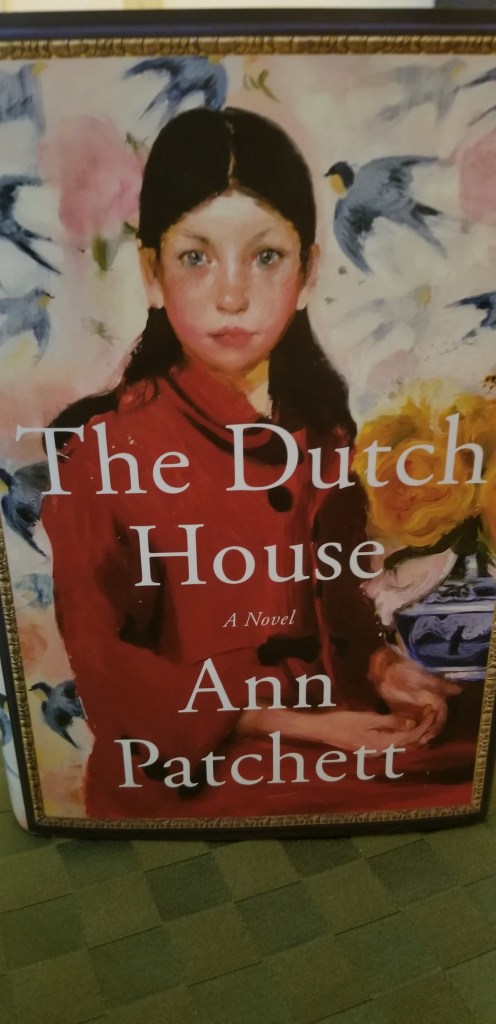
Ann Patchett used to be my favorite author. Three of her books appeared in my top ten list including Taft, the Patron Saints of Liars, and The Magician’s Assistant. Then I tried to read Bel Canto and wasn’t into it. One of her huge strengths for me was also a downfall in that moment which is that every book she writes is completely different from the last one (unlike a lot of people like Carl Hiaasen and Tom Robbins who write the same book over and over again with wildly different elements but you know it’s the same), and I didn’t feel like reading a novel about hostages and terrorists from my lovely, light handed lady. That was in 2001, and I haven’t picked up a book of hers since until my Dad set The Dutch House down on the table of his screened in porch the other day.
In spite of the fact that I was nervous because my dad and I had just graduated from visiting in his back yard to six feet away on his screened porch because of our fussy backs and the inability to maintain a constant level of vigilance, I was happy to see Ann Patchett. I had forgotten about her, but from the moment I opened The Dutch House, I remembered why I loved her so much. I was delighted to read every sentence of this novel except for the last three pages, but that is probably mostly because it was past midnight, and I was tired.

These are linden trees, and they get mentioned somewhere between 15 and 20 times in the novel. The two main characters: Maeve (don’t you love the name Maeve? There are some books I can’t read just because I can’t deal with the characters’ names) and Danny habitually park their car on the street across from the Dutch House, their childhood home that was stolen from them, and peer through the linden trees while they talk and smoke cigarettes.
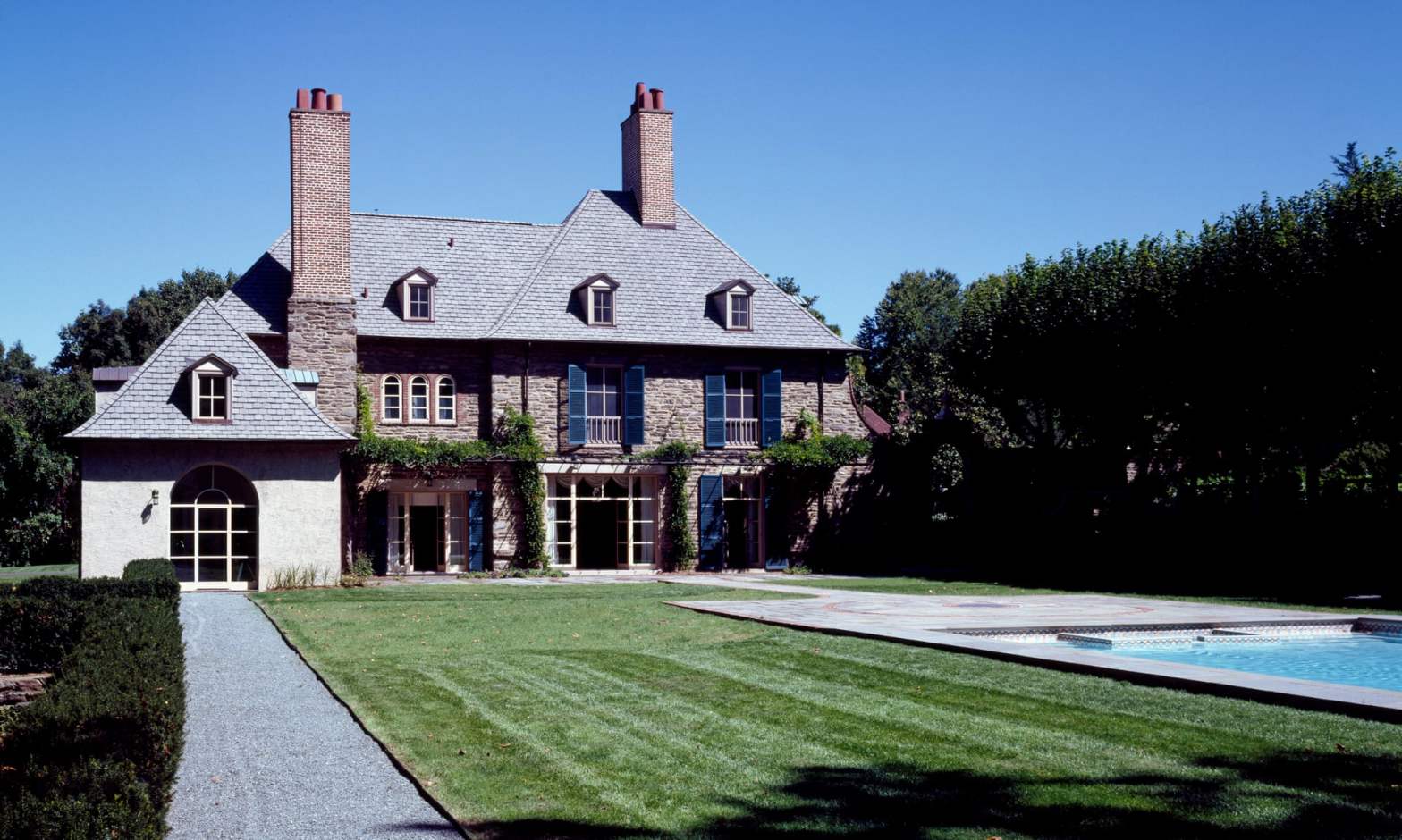
There’s a lot of description of the Dutch House. Normally there are two things I can’t stand in novels: a lot of architectural description and intricate family drama. This novel has both and neither of them bother me because she is such a freakin good writer and every one of her sentences has a point towards the whole.

Imagine if you had grown up in the Biltmore House in North Carolina, (a place a friend of mine’s mom stepped into and declared “Biltmore?? I’d say he should have built less!) and then your young stepmom kicked you out after your father died and she could because he had left every cent and every brick to her.
You might sit in your car across the street from it too, but Maeve and Danny aren’t particularly money hungry, it’s more that they are fixated on the losses of their childhoods. Aren’t we all? and they are both extremely likeable characters. This is really a novel about the relationship between a brother and a sister.
I find it interesting to read a narrator who is not the gender of the author (like Olaf Olassen and his lesbian nun in Iceland in a past blog). I mean, it’s entirely possible that I have fallen asleep at the literary wheel for the last couple of decades and didn’t realize that at this point in time it is absolutely no biggie for an author to do a dead-on voice of the opposite gender, but you know, I am still amazed that we can talk on the phone and see each other’s faces at the same time, so let me catch up.

Danny is a little bit sexist. “But is he?,” the devil’s advocate in my head pipes up, “or is he just trapped in a sexist world that he intimately knows because his father married someone he didn’t love because she was pretty and liked his mansion so therefore Danny is trying to undo this legacy in his relationships with women but doesn’t quite manage to?” Does your devil’s advocate always talk in run-ons like mine does?
Two things. You will like Danny. The whole book is about his relationships with women: his wife (later ex-wife), his sister, his nanny, his two house keepers, and the mother who abandoned him. He wants these women to live in ways that transcend the gender confines of the early seventies that a lot of the novel is set in. Ie: he wants his wife to do and be more than someone seeking an MRS. degree, but in the end in his frustration with her for falling into stereotypical gender roles, does he miss seeing who she is?
Why would a woman author write this character? Well, don’t we as women do this too? Miss out on who our mothers and sisters are sometimes because we are so pissed at them for being ladies?
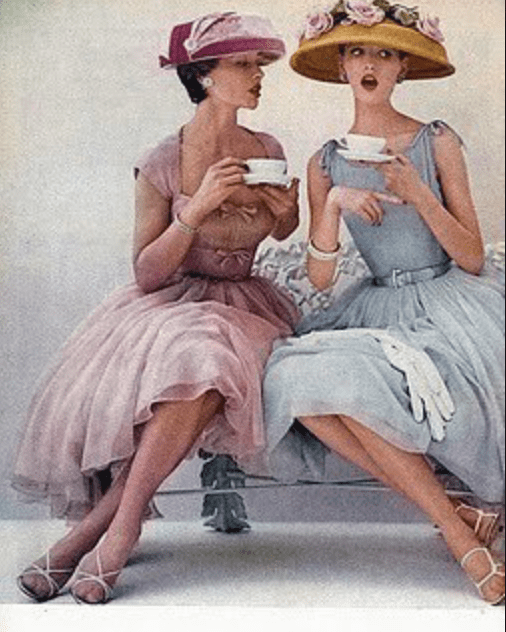
If you’re like me, you rode your adolescent rebellion many more decades than the warranty on your outrage was good for.
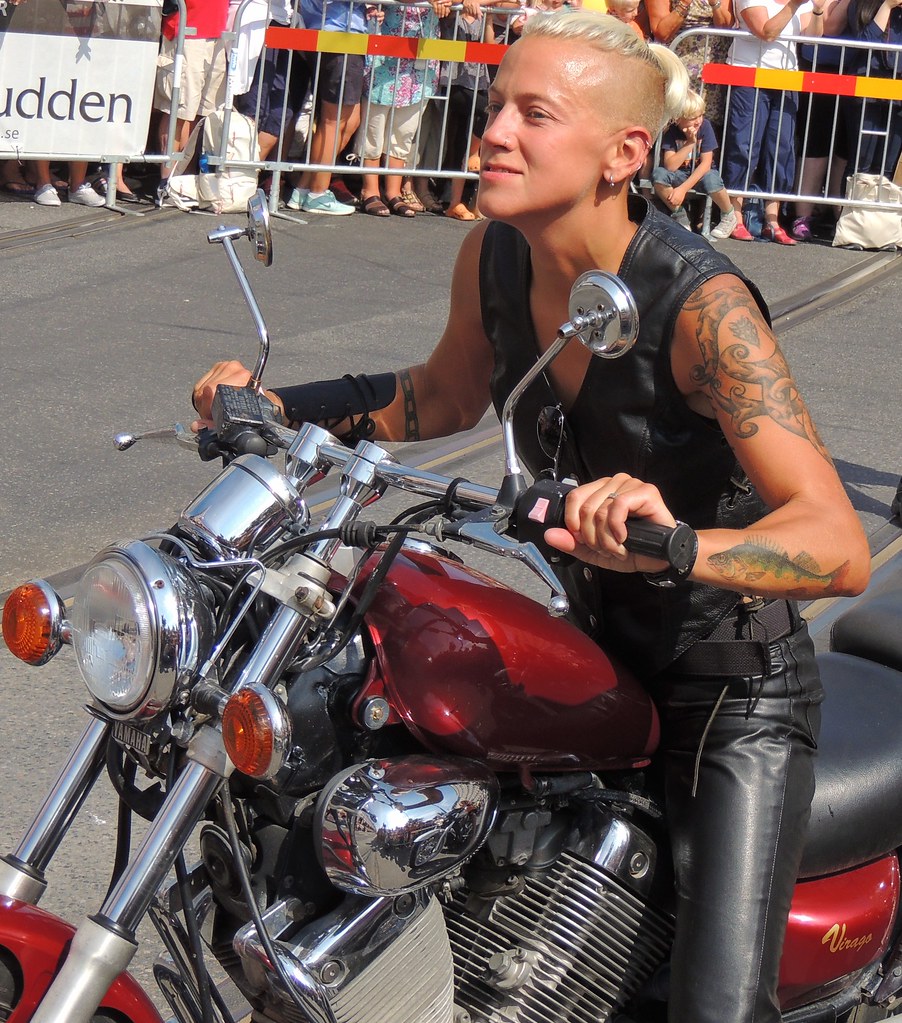
But eventually…no, you don’t cave and give up your Hog for a Laura Ashley knock off dress with a flower print pattern and a lace doily around your neck.
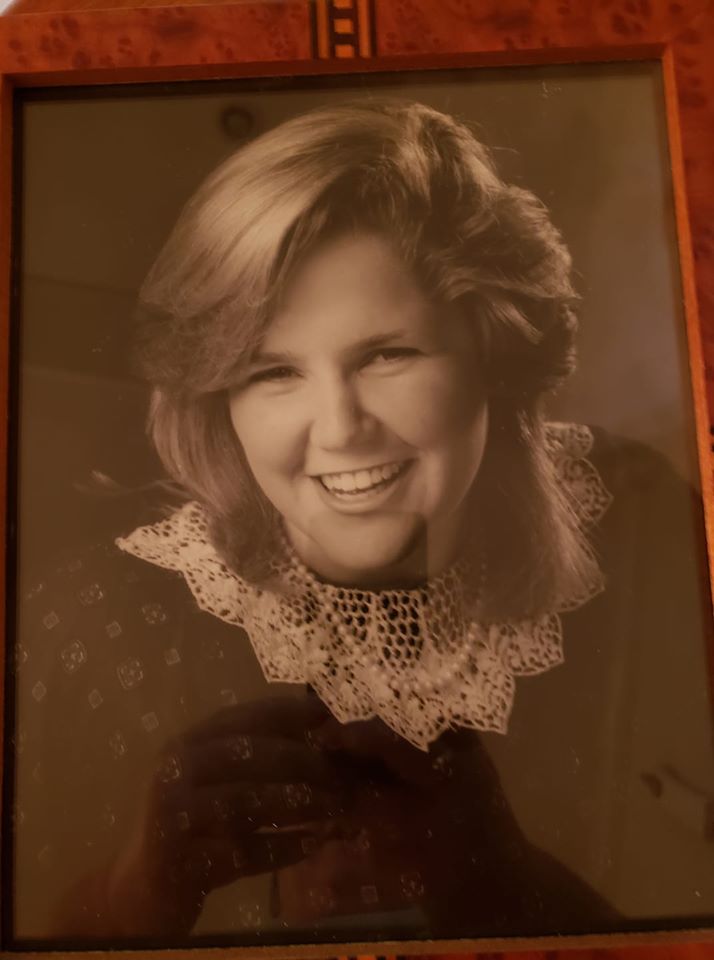
But you do get eventually get ok with the ladies, the ones with doilies and the ones without, the ones who lunch and the ones who brunch, the ladies who like green eggs and ham and the ones who don’t, all of them.
Except for the Politician Blonde Lady who dumps millions in stock after a coronavirus briefing….no,even in our gender accepting maturity, that doesn’t get a pass. Unlike Danny, who eventually comes to some uneasy peace with all the women in his life, I would put PBL’s (Politican Blonde Lady) Thanksgiving dinner plate out by the dumpster, right where she is trying to leave the rest of us. You know, I think it’s ok to be ladylike as long as it doesn’t destroy the world.
 Inspiration and Information for Immigrant Advocacy
Thanks, Louisa, for a lovely blog review. Unfortunately, I wasn’t fond of Danny. I have just read 3 books in a row in which I didn’t like the narrator, for various reasons. I have decided I must like 3rd person narrative more than 1st person. The other 2 books were City of Girls and The Heart’s Invisible Furies. Maybe I don’t have as much sympathy for characters/people? who are so traumatized by their awful childhoods that they have so little insight into themselves or insight or sympathy or respect for others. I found Maeve’s relationship with her brother to be so manipulative that it was weird, and his acquiescence to her control as weak. I kept waiting for him to develop some insight, but I don’t think he ever did. The writing is lovely. I’m glad I read the book. I agree that each Patchett novel is unique, and that is to her credit. I liked Bel Canto. I didn’t care for State of Wonder–can’t remember why. But she is an interesting writer. My book club buddies are telling me to read This is the Story of a Happy Marriage, which I will probably do during this quarantine.
LikeLike
Also, how do you pronounce “Maeve”? I have trouble with a book when I don’t know how to pronounce a character’s name, so I just make it up. In my head, she was “Mave,” but I don’t think that is right.
LikeLike
I always thought it was “Mave” too
LikeLike
I can totally see all of that. It’s funny. I am easily lulled by voice, I think.
LikeLike
I love your blog! We didn’t get to do this book in book club because of quarantine, but we will–some day. I will let you know what others think. We don’t always agree either . . . except on politics, which is important . . .
LikeLike
Ok I think it’s time you graduate from reading and blogging and start writing. Just try it which is not a Nike knock off.
LikeLiked by 2 people