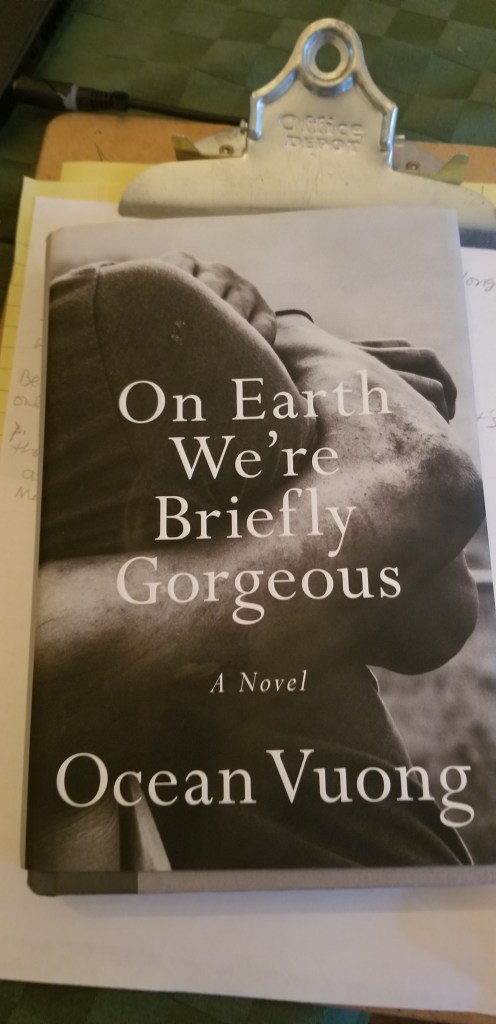
Maybe you shouldn’t read this right now. I mean, Ocean Vuong is a genius, and I don’t mean that as a passing compliment. Last year he won the MacArthur Genius Award which gives you $600,000 to spend on anything you want. They didn’t give it to me because they knew I would’ve spent it all on Hogzilla research. (Google it, and we’ll talk for hours.)
Vuong was born in 1988 in Ho Chi Minh City. When he was two years old, he and his family had to flee to a refugee camp in the Philippines because his mother was mixed race (her father was a US soldier) and therefore not legally allowed to work. (in the late 80s?!?)
They got asylum and relocated to Hartford, CT. When I say maybe you shouldn’t read this right now, you have to understand that I avoid other people’s trauma stories when I can. For the last twelve years, I have worked with people who fled war as refugees and relocated to Clarkston, GA.
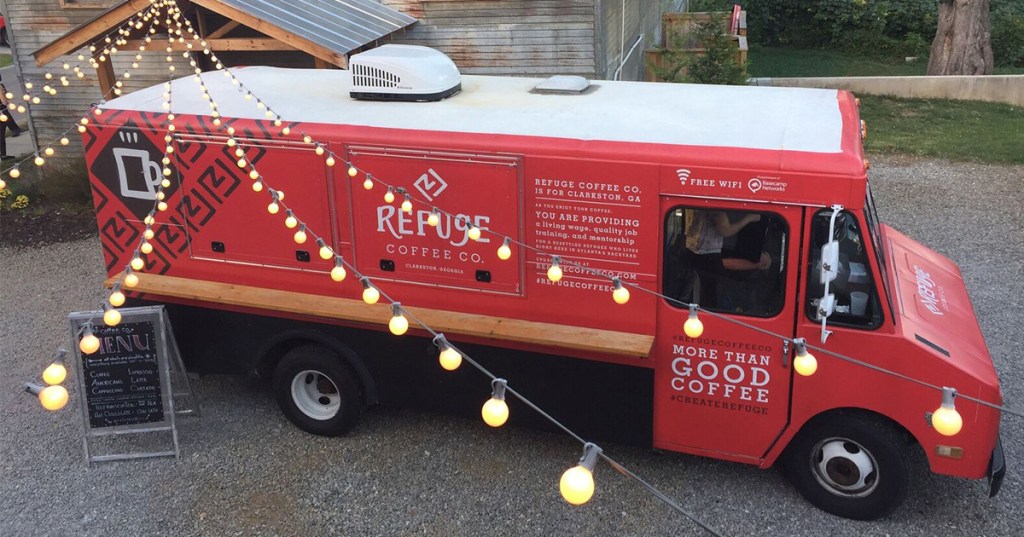
In spite of my many years of serving the community in Clarkston, I don’t know very many stories because people don’t talk about what they’ve been through, you aren’t supposed to ask, and I have had a tendency to run out of rooms before the topic could come up. I was at a coffee shop with this amazing man who volunteers with the church I work for, and he wanted to tell me someone’s story. I looked at my watch and was like, “I gotta go,” but somehow he made me sit back down. I put my head down on my arms on the table and kept it there the whole time told me.
That’s what reading Vuong’s book was like for me. I had my head down the whole time and my feet were itching for the door, but like the story the volunteer told me, there are so many things I wouldn’t understand if I hadn’t read Voung’s book.
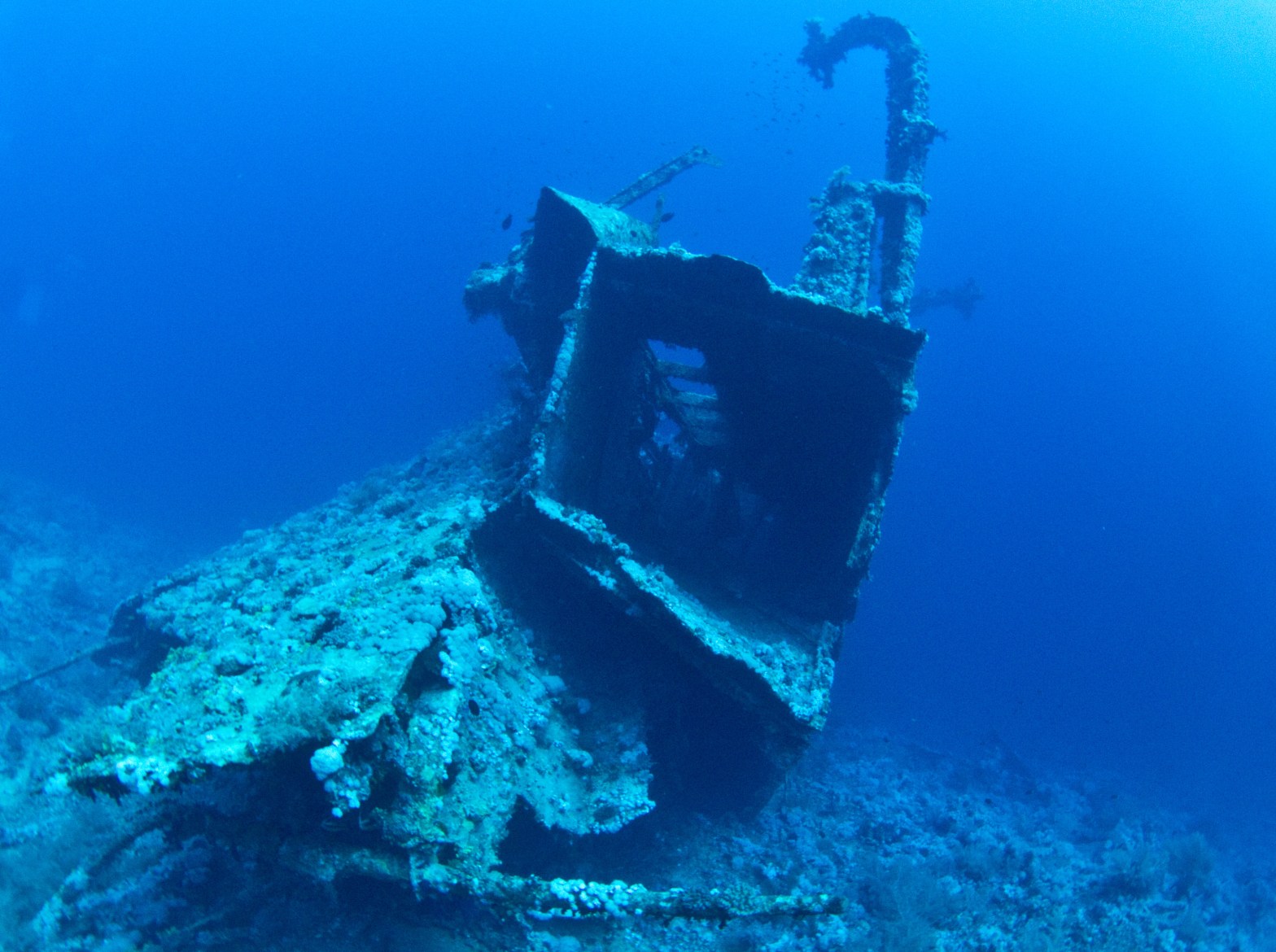
Vuong is a poet. He says towards the end of the book, “I’m not telling you a story so much as a shipwreck-the pieces floating, finally legible.” (190)
There are so many different kinds of pain in Hartford, CT. Vuong’s mother and the violence that went through her and continues to shed off of her onto him, his sweet grandmother’s schizophrenia from what she has survived, the love he meets working in the tobacco fields, Trevor, and what it means to take him in. Poverty and addiction. Vuong’s poetry in this novel goes to the root source, the cause in the marrow, of all this pain.
People who have not experienced war, genocide or the generational trauma of it (which is actually a minority of us given that there are 75 million displaced people worldwide who don’t have a country to call their own and that doesn’t even count all war survivors by a long shot) can’t really wrap our brains around it. Maybe Vuong knows this. He does something brilliant and inescapable. He creates images that aren’t so big that our brains can’t understand them and just shut off. He shows us something horrific that is just small enough for us to take in (forever) and then, we realize that this small, horrific thing is a metaphor for something much worse on a much larger scale.
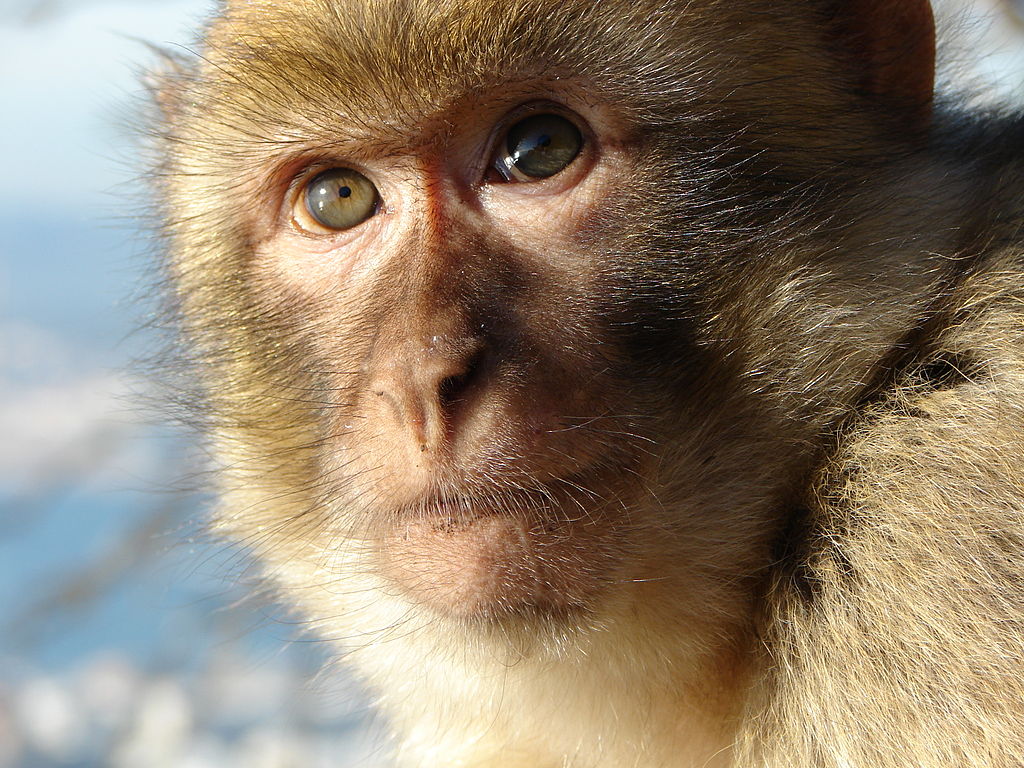
This is a macaque monkey, and if you read this book, the story he tells you about a monkey like this will make you understand the ongoing legacy of genocide in a way you didn’t before. I’m not going to tell you because again, more than anything, Vuong is a poet and every word matters
and is beautiful. This young man writes sentences that knocked me over they are so beautiful like
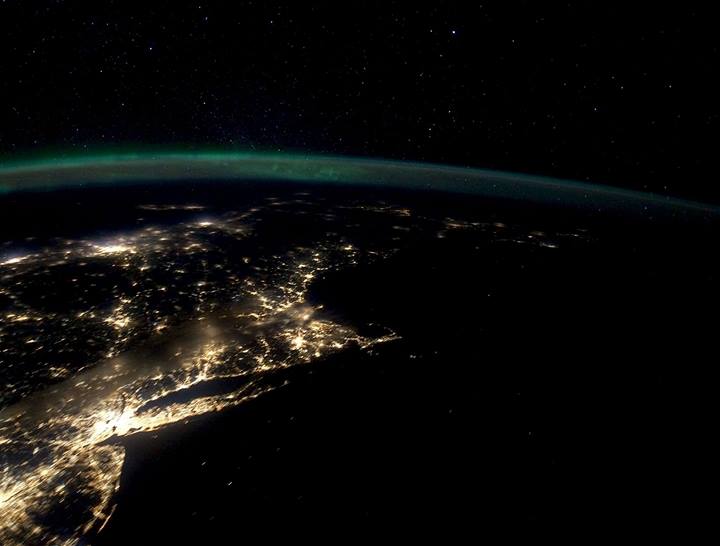
“outside, the night surges by like sideways gravity.” (68)
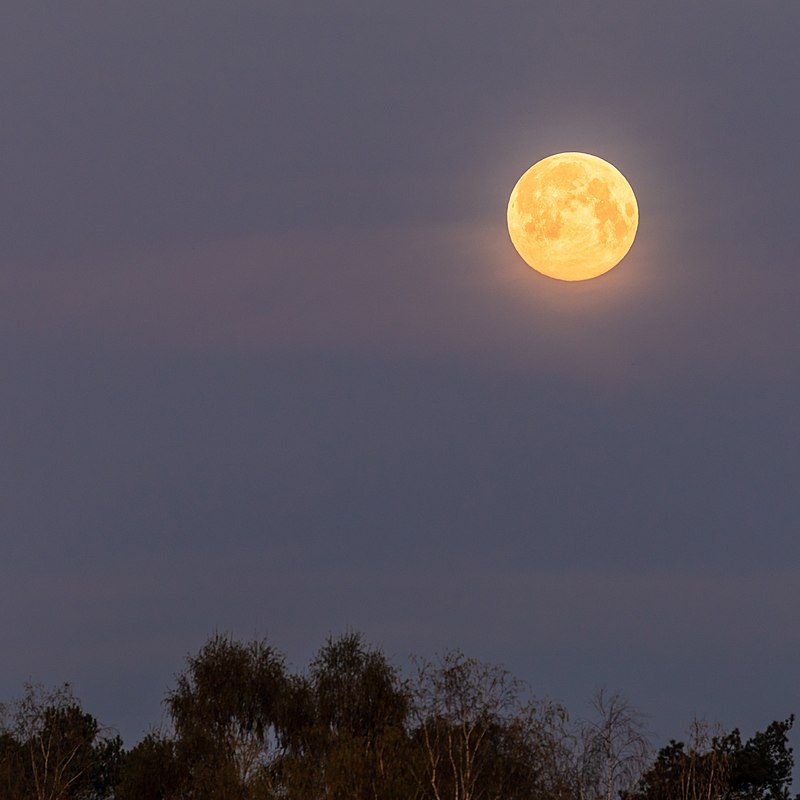
or “the moon that night a gnawed bone above the field.” (104)
So the incredible pain of this book, I think it’s the saddest book I have ever read, is always, always expressed in beauty. So maybe now is the time to read it. All the sadness that is so accessible to us at the moment…maybe Vuong can help us find the deep purple feeling
“Do you remember the happiest day of your life? What about the saddest? Do you ever wonder if sadness and happiness can be combined, to make a deep purple feeling, not good, not bad, but remarkable simply because you didn’t have to live on one side or the other?” (122)
I’m glad I didn’t run away from this book, even though I wanted to. There’s something inside me that wasn’t there before. I don’t know the dimensions of it, but the space around its floating feels good, like it can help me moving forward.
 Inspiration and Information for Immigrant Advocacy