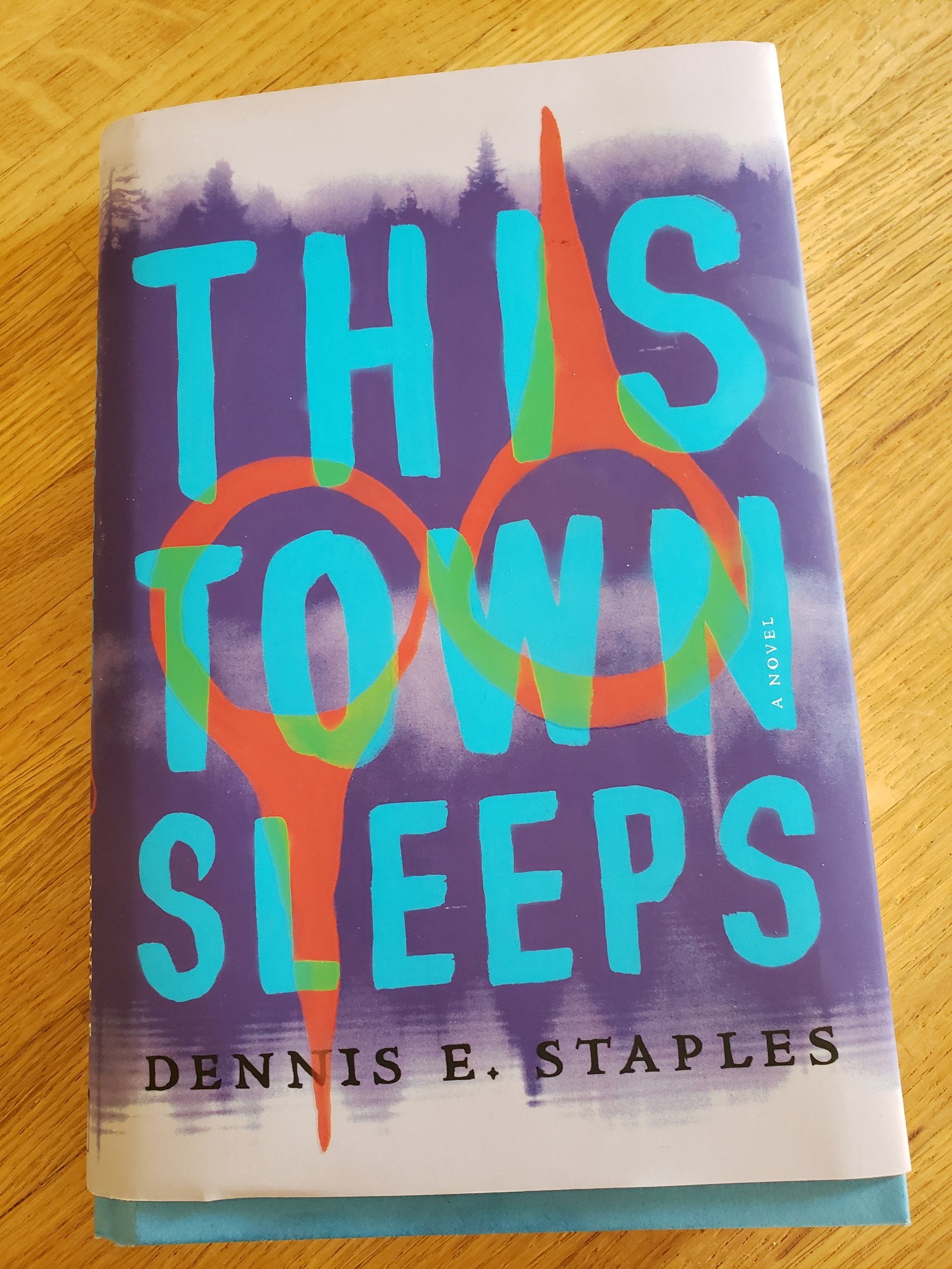
My dad gave me a bunch of hard cover new fiction when he was done with it, and because he is a cutting edge reader, one of them was a first novel by a gay Ojibwe man from Minnesota called This Town Sleeps. It is the story of Marion Lafournier, a gay man in his midtwenties who enters into a relationship with a former classmate, a closeted white man whose life in constrained by masculine heterosexual mandates and homophobia. Marion is also deeply embedded in the history and culture of his Ojibwe community, even though he isn’t sure he believes in traditional native beliefs about certain things. At one point he yells, “Jesus Christ, Mom, it’s not the old west anymore! No one believes in curses or pow wows or any of your parents’ bullshit!” (148) However, he doesn’t doubt his own sanity when he accidentally brings to life a ghost dog or revenant from beneath the elementary school playground.
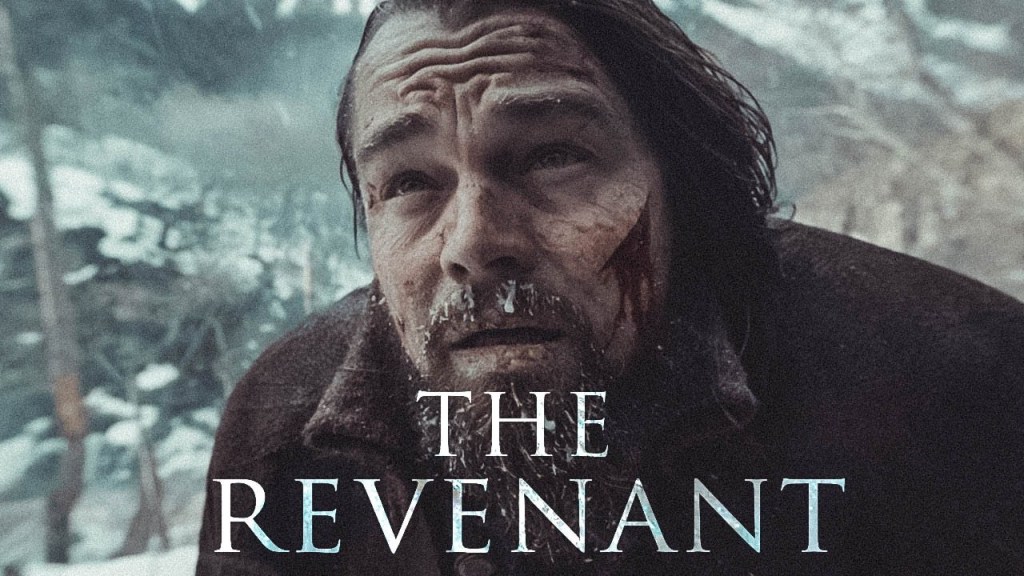
I had never heard the word revenant before so I looked it up and apparently it just means something (usually a person) coming back from the dead from the french word revenir. I also learned that is a 2015 film starring Leonardo DiCaprio about a rage filled, abandoned, bear mauled fur trader who wants to take vengeance on his team who left him in the wilderness to die.
Although I haven’t heard of the word “revenant”, I have experienced a ghost animal so my suspension of disbelief wasn’t thrown while I was reading This Town Sleeps. My friend had to have her beloved German Shepherd put down on the same day she was moving into her new house, and so I offered to spend the night with her because she was grieving in an unfamiliar space. I was sleeping on an air mattress in a spare room and throughout the night I kept feeling the distinct sensation of cat feet stepping on the air mattress around my body. It definitely wasn’t the sensation of 85 pound German Shepherd feet so I can’t say why I was annoyed by the spirit of a cat upon the passing of a dog, but life is full of mysteries.
And these mysteries are alive in This Town Sleeps.

But I digress. I like Marion, the narrator in this novel. I thought about Saeed Jones who wrote How We Fight for Our Lives while I was reading this. Dennis Staples (the author of This Town Sleeps) and Jones both have a certain perspective….I don’t know what word I want to use for it. “Feminine” isn’t right. Neither is “bottom” exactly even though I like the identity term because it posits a certain world perspective that is gender versatile. I suspect both Staples and Jones may have more complicated identities than that but the term “bottom” is getting somewhere in the description of the unrelenting search for love where their characters won’t give up on men even when they are normative and mean. They keep fighting for an honest love, a love where they can be their full, complicated, un-stereotyped gay selves seeking liberation from homophobia, sexism and racism. In this perspective there is also an identification, empathy and caring about women.

This Town Sleeps has multiple narrators which grow in number and frequency in the second half of the book. Some reviewers complain that there are too many narrators and that the switching back and forth is confusing, and I can see that, but I can also see that these voices integrate the queer identity with racial and gender identities in a way that is often prohibited by society.
A great example of this is when Marion’s mom’s boyfriend takes him to a shaman in order for the shaman to find Marion’s traditional spirit name. Staples’ description of the shaman is memorable. “This guy is like an Indian Grim Reaper. His skin is coarse, dark brown with liver spots like a loaf of raisin bread…the eyes are the worst….they look like they dried out years ago and he covered them in layers of clear nail polish to hold them in. If I met this man anywhere else, I would assume my time had come.” (121) When the shaman takes Marion into the sweat lodge and tells him to take his clothes off for the ceremony, Marion replies,”Trust me. I have no problem taking my clothes off in front of men. ” (123) This is a great example of traditional (and a touch stereotypical) coming together with new queer confidence without negative incident resulting in creating a character interaction that hasn’t been seen before.
In this scene, we see a confidence that Marion has in his identity which is absolutely necessary for remaining integrated in the community of his birth and spirit without losing himself, his queer self or his indigenous self. This confidence also allows him to connect with and empathize with the trauma of his mother Hazel and Brenda, the mother of Jared who murdered Kayden Kelliher, a local basketball star, when they were teens. Hazel and Brenda are just two of the narrators who struggle with despair, loneliness, hopelessness and pain, and Marion’s experience isn’t separate from theirs even if society separates them by gender and sexuality.
I think this is the real hope of the novel…that confidence and enlargement of queer identity isn’t just a request to be tolerated or accepted by society but rather moving outwards in self assured queer identity fully integrated with ethnic identities and communities is healing medicine the whole world needs.

QTBIPOC LIVES MATTER!
 Inspiration and Information for Immigrant Advocacy